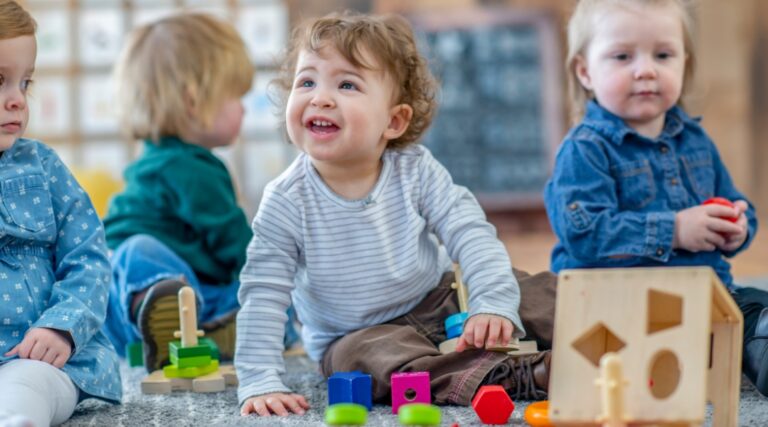

Teaching Turn-Taking Skills Through Games and Play: Building Social Competence and Patience
Turn-taking—the ability to wait for opportunities to participate, respect others’ time and engage fairly in shared activities—is a fundamental social skill developing throughout early childhood. Yet turn-taking is not instinctive. Young children naturally want immediate access to desired items or activities. Helping children develop turn-taking capacity requires intentional support and repeated practice in low-stakes environments. Games and playful activities provide perfect contexts for developing turn-taking skills whilst maintaining enjoyment and engagement. At Whiz Kidz Reservoir, opening mid-2026, we will integrate turn-taking teaching throughout our programs, supporting children’s social development and peer relationships.
Understanding Turn-Taking Development
Infants and young toddlers cannot wait or take turns. Immediate gratification is developmentally appropriate. As children mature, capacity for delayed gratification gradually develops. By age two, children begin understanding turn concepts though execution remains challenging. By age three, most children understand turn-taking and attempt following turn structures though managing emotions about turns remains difficult. Preschoolers increasingly manage waiting and taking turns successfully.
Turn-taking involves multiple components. Children must wait for their turn, which requires impulse control. They must understand whose turn is current, requiring attention and memory. They must accept not getting an immediate turn, requiring emotional regulation. They must respect others’ turns despite wanting their own, requiring empathy and self-control. Supporting development of these components helps children master turn-taking gradually.
Games as Turn-Taking Teachers
Games provide natural contexts for turn-taking practice. Unlike arbitrary turn-taking imposed by adults, games have inherent turn structures making turns essential to play. Children motivated by game enjoyment willingly practice turn-taking. Success in games rewards turn-taking, reinforcing learning.
Simple games work best for young learners. Dice games where players take turns rolling and moving develop turn understanding. Card games with simple rules like Go Fish teach turn-taking basics. Waiting briefly between turns remains manageable. As children’s skills develop, games with longer turn sequences challenge developing capacity.
Board games introduce turn structure clearly. Movement around boards, clear rules about whose turn it is and obvious turn progression all support understanding. Games designed for young children work better than complex adult games. Age-appropriate games ensure success building confidence.
Play-Based Turn-Taking Activities
Informal turn-taking in play supports development equally to structured games. Swinging requires turn-taking. Water play with multiple children managing shared water access develops turn-taking. Dramatic play naturally incorporates turn-taking through role play interactions. Outdoor equipment from slides to riding toys all create turn-taking contexts.
Song-based turn-taking engages children enjoyably. Songs with roles where children take turns singing verses teach turn structure whilst keeping engagement high. Children look forward to their verses, willingly waiting for others’ turns. Music makes turn-taking joyful.
Group activities where children take turns performing actions—rolling balls, throwing beanbags or drawing pictures—provide turn-taking practice. Clear visual markers showing whose turn it is support understanding. Physical reminders help young learners remember turn concepts.
Supporting Turn-Taking Success
Explicit teaching helps. Before games or activities, explain turn structure clearly. Show children whose turn it is. Use visual supports like turn cards or special tokens showing current player. Concrete supports help young children understand abstract turn concepts.
Start with brief turn gaps. When waiting between turns feels short, children manage more easily. As skills develop, gradually extend turn sequences. A young group might take quick turns with minimal waiting. Older preschoolers manage longer sequences. Matching game structure to children’s capacities supports success.
Praise specific turn-taking behaviours. Rather than generic ‘good waiting,’ comment specifically: ‘I noticed you waited patiently for your turn and didn’t grab the toy.’ Specific praise helps children understand what turn-taking looks like and build self-awareness of their efforts.
Normalize difficulty. When children struggle with turns, acknowledge feelings without enabling inappropriate behaviour. ‘I see you really want a turn. Turns are hard sometimes. Let’s count to see how many more turns until yours.’ Validation combined with redirection supports emotional development.
Managing Conflict Around Turns
Disputes over turns arise frequently in early childhood. When conflicts happen, treat them as learning opportunities. Help children name feelings. ‘You wanted a turn immediately. That’s frustrated feelings.’ Validate whilst teaching. ‘Wanting turns quickly is normal. We take turns to be fair.’
Teach solutions collaboratively. Rather than imposing answers, ask children how to solve turn problems. ‘What could we do so you both get turns?’ Children generating solutions learn problem-solving alongside turn-taking. Solutions they create feel more fair to them.
Use visual timers helping children understand waiting periods. A sand timer or visual timer showing how long until the next turn makes waiting concrete. ‘Your turn is when the sand runs down’ helps children understand timing.
Building Patience and Resilience
Turn-taking naturally builds patience. Children waiting for turns develop ability to delay gratification. This capacity, developed through turn-taking practice, supports learning, emotional regulation and relationships throughout life. Games make patience practice enjoyable.
Resilience also develops through games. Games have winners and losers. Children experiencing both success and disappointment develop resilience. Losing a game feels manageable when the context is playful. Through repeated game experience, children learn that losing doesn’t mean failure or rejection. They can try again.
At Whiz Kidz Reservoir, opening mid-2026, we will integrate turn-taking teaching throughout games and play. Our modern facility with multiple play spaces provides ideal settings for diverse turn-taking opportunities.
Express your interest in Whiz Kidz Reservoir and discover how we support social development through games and play. Call 1800 944 954 to learn more about our opening.