
Creating Learning Corners that Encourage Independent Exploration: Building Autonomy Through Purposeful Spaces
How physical environments are designed profoundly affects children’s learning, independence and engagement. Thoughtfully designed learning corners—dedicated spaces focused on specific learning domains—invite children to explore independently, discover concepts at their own pace and develop confidence as capable learners. Unlike teacher-directed activities where adults guide learning, well-designed learning corners allow children agency, choice and the joy of self-directed discovery. At Whiz Kidz Baulkham Hills, recognised as Sydney Hills Most Outstanding Early Childhood Centre 2025, we design purposeful learning corners supporting children’s natural curiosity and developing independent exploration skills essential for lifelong learning.
Why Learning Corners Matter
Learning corners differ fundamentally from traditional classroom setup. Rather than whole-group instruction dominating, learning corners allow simultaneous engagement in multiple activities with varying complexity levels. Children with diverse interests and abilities all find meaningful engagement. A child advanced in mathematics might explore complex patterns whilst a peer builds foundational number concepts in the same space.
Learning corners support independence and autonomy essential for developing lifelong learners. Children choosing activities, managing their own learning and making decisions about exploration develop genuine ownership of learning. This intrinsic motivation persists far longer than adult-directed activity compliance.
Purposefully designed corners also support observation-based assessment. Rather than administering formal assessments, educators observing children in learning corners see authentic learning, noting interests, strategies, challenges and misconceptions. This embedded assessment informs responsive teaching more accurately than formal testing.
Essential Learning Corners for Early Childhood
Multiple learning corners serve different developmental domains. A literacy corner with varied reading materials, writing supplies and communication tools develops language and literacy. Picture books, alphabet materials, writing journals and listening stations invite exploration. Children self-select activities matching their developmental levels.
Mathematics corners feature manipulatives, number games and pattern materials. Blocks, counters, numeral cards, dice games and sorting materials invite mathematical exploration. Children discovering number relationships through handling materials develop deeper understanding than workbook exercises.
Science exploration corners with magnifying glasses, natural materials, observation tools and simple experiments encourage investigation. Collections of leaves, rocks, insects and seeds invite close observation. Simple water or sand experiments allow discovery of physical properties. Children developing genuine scientific thinking through exploration.
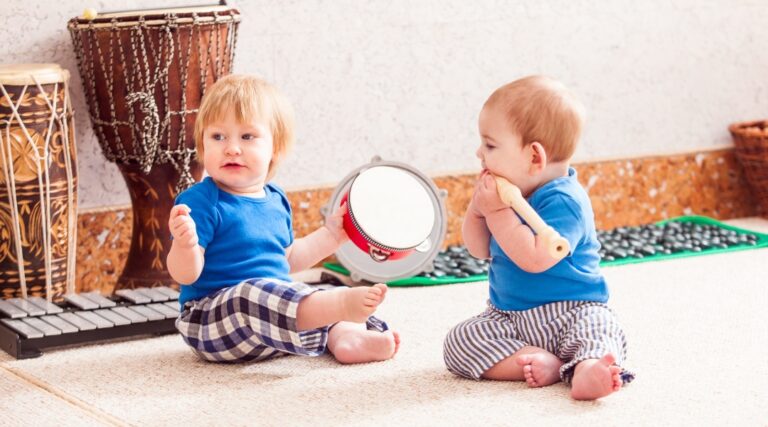
Creative expression corners with art materials, music instruments and loose parts support artistic development. Paint, markers, clay, collage materials, instruments and open-ended materials invite creation. Children discovering media properties and expressing ideas visually and musically.
Dramatic play areas with props, costumes and scenarios encourage imaginative exploration. Home corners, shops, hospitals and themed areas invite role-playing developing social skills and emotional understanding.
Building blocks and construction corners develop spatial reasoning and problem-solving. Varied blocks, building materials and loose parts invite creation and engineering thinking.
Designing Accessible, Inviting Corners
Physical design matters tremendously. Corners should be clearly defined yet visually accessible. Low shelving allows children to see and access materials independently. Clear labelling with pictures and words helps children identify materials and return items appropriately. Adequate space for multiple children prevents crowding limiting access.
Inviting presentation encourages engagement. Rather than storing materials in closed containers, displaying items visibly invites exploration. Aesthetically arranged materials signal that learning is valued. Rotating materials maintains novelty and engagement.
Comfortable seating, appropriate lighting and access to natural materials create welcoming spaces. Soft rugs, cushions and varied seating options accommodate different learning preferences. Natural light and plants create pleasant environments supporting engagement.
Supporting Independent Exploration
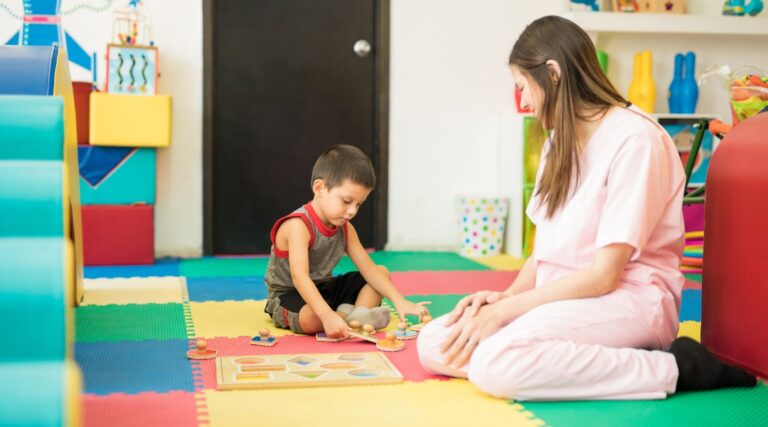
Educator role in learning corners involves careful balance. Too much adult involvement directs learning, reducing independence. Insufficient support leaves children frustrated. Responsive educators observe, wait, ask open-ended questions and provide assistance only when genuinely needed.
Open-ended questions support thinking without directing outcomes. Rather than asking what colour paint a child should use, ask ‘What colours are you considering?’ Rather than correcting block placement, ask ‘How can you make that stable?’ Children discover solutions themselves.
Allowing appropriate failure matters tremendously. When a block tower falls, that failure provides learning. A child discovering their structure needed stronger foundation learns engineering concepts. Adult preventing failure robs children of this learning.
Adequate uninterrupted time matters. Children developing deep engagement in learning need sustained time exploring. Frequent transitions fragment attention limiting meaningful exploration. Blocks of time allowing extended engagement support development.
Managing Materials and Maintenance
Effective learning corners require management systems. Children should understand and follow systems returning materials to designated places. Visual organisation, clear containers and labelled shelves support children’s independence maintaining spaces.
Involving children in maintaining spaces builds responsibility and ownership. Children who help organise corners develop respect for learning materials and cleaner, more organised spaces.
Regular material rotation maintains engagement. Retiring materials seasonally and introducing new items prevents boredom. Cycling materials through storage allows variety within budget constraints.
Supporting Diverse Learners
Well-designed learning corners naturally accommodate diverse abilities. Open-ended materials allow participation at varied complexity levels. A block corner welcomes children building simple structures alongside those creating complex designs. A science corner allows simple observation and detailed investigation.
Children with physical disabilities benefit from accessible materials, adaptive equipment and space accommodations. Children with sensory sensitivities need quiet spaces and particular material choices. Children learning languages benefit from visual supports and varied communication methods. Good design ensures all children access learning.
Observing and Responding to Learning
Learning corners provide ideal contexts for observation-based assessment. Rather than formal testing, educators note what children choose, how they engage, what strategies they use and what challenges emerge. This assessment informs responsive teaching adjusting corners based on children’s interests and needs.
Documentation of learning in corners creates powerful records. Photographs, written observations and work samples show learning development over time. These records communicate children’s progress to families more authentically than standardised assessments.
At Whiz Kidz Baulkham Hills, award-winning centre, we design learning corners supporting independent exploration and discovery. Our spacious facility with multiple learning areas provides ideal spaces for diverse learning corners.
Contact Whiz Kidz Baulkham Hills to discover how our award-winning approaches support children’s learning through carefully designed environments. Book a tour and experience our commitment to early childhood education. Call 1800 944 954.